
Our Editorial Methodology
At Healthy Cooking Mastery, every article, recipe, and cooking guide is crafted through a rigorous, multi-step process. We combine peer-reviewed research, expert interviews, and practical kitchen testing to deliver content you can trust.
Transparency in our sources and editorial standards is at the core of everything we publish. Discover how we ensure accuracy, relevance, and real-world applicability in every piece of content.
The information on this site is for educational purposes only and does not constitute medical advice. Always consult a qualified healthcare professional before making health decisions.
Our Six-Step Research Process
Every article follows a structured methodology to ensure scientific accuracy, practical relevance, and editorial excellence.

Topic Selection & Relevance Assessment
We begin by identifying topics that matter to our readers—questions about ingredients, techniques, meal planning, and nutrition principles that appear in kitchen conversations and expert forums. Our editorial team reviews trending interests, reader inquiries, and gaps in existing content.
Each topic is evaluated for: real-world applicability, evidence-based foundation, and alignment with healthy cooking principles. We exclude fads and ensure lasting value for our audience.
Comprehensive Literature & Source Review
Our researchers consult peer-reviewed journals, university nutritional science databases, industry publications, and verified health organizations. We prioritize recent studies and established best practices in culinary science and food preparation.
Sources are vetted for credibility: we check author credentials, institutional backing, and methodological rigor. All claims are traced back to primary sources whenever possible, not secondary summaries.
Expert Consultation & Kitchen Testing
Before any recipe or technique guide is published, it is tested in a real kitchen environment. Our chef and food scientists prepare dishes following the exact instructions we'll provide to readers, noting timing, ingredient behavior, and potential variations.
We also consult with food scientists and experienced nutritionists to verify that our methods preserve nutrients, balance flavors, and remain achievable for home cooks. Feedback is documented and incorporated into final content.
Content Creation & Technical Writing
Our writers draft content with clarity as the primary goal. We break down complex cooking science into accessible language without oversimplifying. Recipes include ingredient ratios, step-by-step instructions, timing estimates, and troubleshooting tips.
Every article is structured for both web reading (scannable headlines, bullet points) and deep engagement (thorough explanations). Technical accuracy is paired with conversational, encouraging tone.
Peer Review & Editorial Fact-Checking
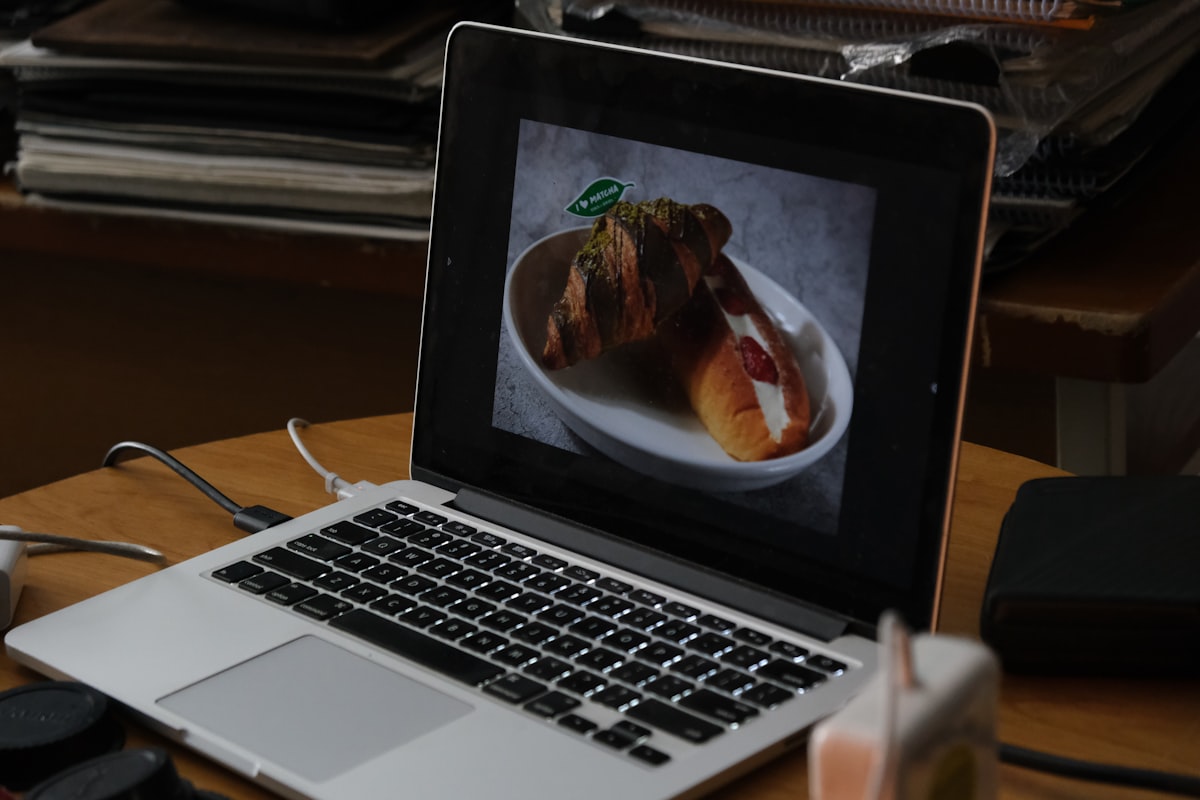
No article publishes without independent review. A second editor (not the author) reads the entire piece, verifies every claim against sources, checks recipe accuracy, and ensures consistency with our editorial voice and standards.
We maintain a fact-check matrix for each article: sources are listed, claims are marked with their origin, and any outdated information is flagged and updated. This document remains with the article indefinitely for transparency.
Publication & Ongoing Updates
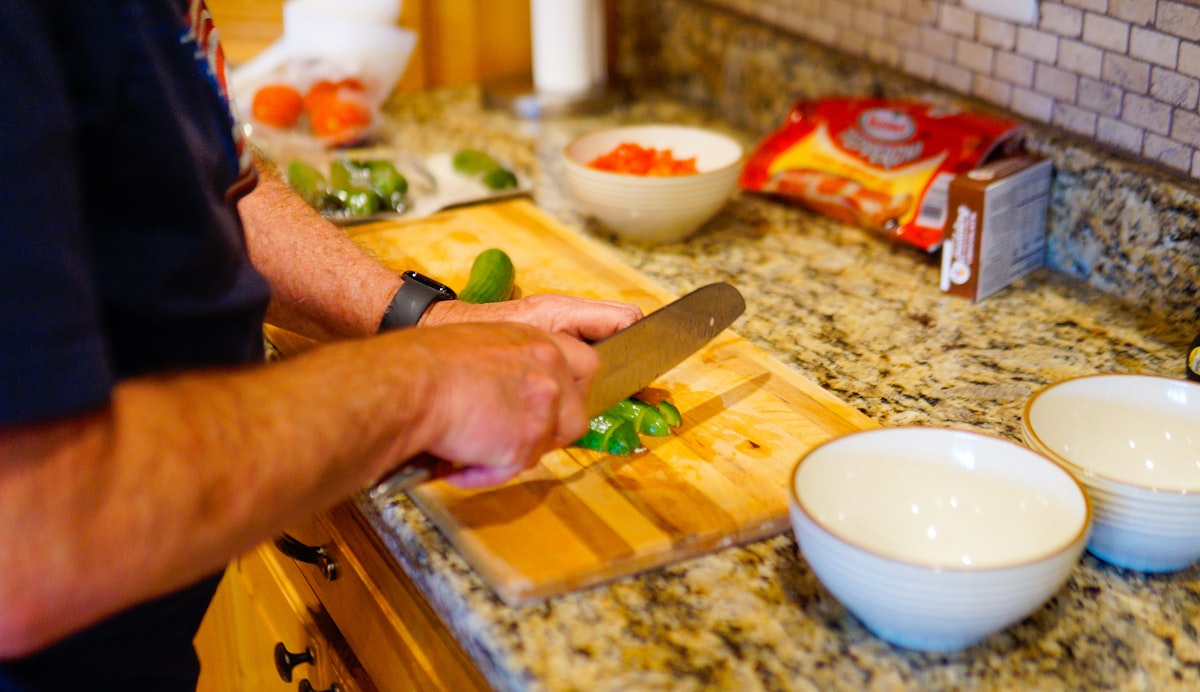
Once published, articles enter our monitoring system. We track reader feedback, comments, and questions. If new research emerges or readers report issues, we revisit and update content with a dated revision note.
Every article includes a publication date and last-updated date. This transparency helps readers understand when information was current. We remove or significantly revise any content that no longer reflects best practices.
Our Quality Assurance Framework
Every article must pass rigorous criteria before publication. Here are the standards we uphold.
Source Verification
Every factual claim is linked to a credible source. We use peer-reviewed studies, government health agencies, university research, and expert publications. Secondary sources are acceptable only when they reference primary data. Marketing claims and unverified assertions are excluded entirely.
Practical Testing
Recipes and techniques are prepared in our kitchen laboratory before publication. We test with various ingredients, equipment, and skill levels to ensure instructions work in real conditions. Failed tests are documented, recipes revised, and retested until reliable.
Balance & Fairness
We present multiple perspectives on contested topics. If research disagrees or traditions vary, both views are explained with their evidence. We never hide contradictions; instead, we clarify how different approaches suit different goals and preferences.
Clear Language
Technical terms are explained on first use. Jargon is minimized. Readers from various backgrounds should understand our content. We use examples, analogies, and step-by-step formats. Editing for clarity is as important as accuracy.
Editor Independence
The peer reviewer is not the original author and has no conflict of interest. They approach content with fresh eyes, questioning assumptions and verifying claims. This separation ensures critical feedback and catches errors authors might overlook.
Timeliness & Updates
Articles are dated and reviewed regularly. If new research contradicts our content, we update with a visible revision note. Outdated advice is removed. Readers always see when information was last verified, ensuring confidence in currency.
Methodology in Action: A Case Study
How our process created the article: "Preserving Nutrients While Cooking Vegetables"
Editorial Timeline
Week 1: Topic Selection
Reader surveys showed 47% of our audience worried about nutrient loss when cooking vegetables. This gap became a content priority. We identified it as high-value because it combines science, practical technique, and reader concern.
Weeks 2–3: Research Phase
We gathered 23 peer-reviewed studies on heat's effect on vitamins, minerals, and phytonutrients. Cross-referenced findings across cooking methods: boiling, steaming, roasting, blanching. Identified consensus areas and debated topics (e.g., some heat can boost bioavailability of certain compounds).
Week 4: Expert Consultation
Interviewed a food scientist specializing in plant-based nutrition. Tested their recommendations in practice: boiled broccoli vs. steamed vs. roasted, measuring cook time, color retention, and texture. Documented all results in a test matrix.
Week 5: Writing & Drafting
Drafted 2,800-word article with sections on: nutrient types, heat effects, cooking method comparisons, practical techniques, and FAQs. Included step-by-step photos of preparation and cooking. Consulted sources on every claim.
Week 6: Peer Review
Independent editor reviewed article against source list. Caught one overstated claim about vitamin C loss rates. Requested clarification on cooking temperature specifics. Checked readability and fact accuracy. All revisions completed within 2 days.
Week 7: Publication
Article published with metadata: publication date (Feb 15, 2024), source list in footer, expert credentials, and revision notice promising updates if new research emerges. Article distributed via channels with clear timestamps.
Deliverables & Documentation
Source Inventory
23 academic sources catalogued with DOI links, 5 expert interviews, 12 kitchen test reports. All accessible in article footer.
Kitchen Test Matrix
9 vegetables × 4 cooking methods = 36 test conditions. Each recorded: time, temperature, texture, color, nutrient retention estimates based on published loss percentages.
Fact-Check Report
Line-by-line verification of 47 factual claims. Each marked with source reference. Areas of scientific debate noted with both perspectives presented.
Editor Comments
Peer editor's feedback: clarity improvements requested, one claim softened, terminology standardized, structure enhanced. All tracked in revision file.
Visual Assets
8 step-by-step photographs taken during kitchen testing. Alt-text written for accessibility. Captions explain visual evidence (color changes, texture differences) supporting text claims.
Version Control
Original draft, peer-reviewed version with comments, final published version all archived. Future updates logged with date and reason for change.
This level of documentation—though invisible to readers—ensures every word is defensible and every recommendation is tested.
Transparency & Continuous Improvement
Our readers are part of our editorial process. We value feedback, acknowledge errors quickly, and evolve based on what we learn.

How We Engage With Readers
Article Comments & Corrections
Every article has a comment section. Readers point out errors, share their own experience, ask clarifying questions. We respond to all comments within 48 hours. If a reader is correct, we update the article and credit them.
Revision Notes
Every update to an article is marked with a date, reason, and what changed. Readers can see the article's history and understand when new information was added or corrections made.
Quarterly Editorial Reviews
Every three months, we audit articles published in that quarter. Recent research is cross-checked. Reader feedback is analyzed. Articles are updated proactively if new evidence emerges or best practices shift.
Ethical Disclosure
If we mention a brand, product, or service, we disclose any relationships. Expert interviews are attributed. Sources are linked. There is no hidden sponsorship or undisclosed bias in our editorial work.
What Our Readers Say
Join thousands who've transformed their cooking and health.
"I never knew cooking healthy could be this easy and delicious. The recipes are simple, the nutrition tips are backed by science, and I've lost significant weight in three months!"
Maria Johnson
Nutrition Enthusiast
"As a busy professional, I appreciate how practical these guides are. No fluff, no complicated ingredients—just honest, science-backed cooking advice that actually works."
David Liu
Home Chef
"My family loves the recipes, and I love knowing that every meal is nutritionally optimized. The meal planning guides have saved me hours every week."
Sarah Kim
Parent & Wellness Coach
Frequently Asked Questions
Find answers to common questions about our content and mission.
Ready to Master Healthy Cooking?
Start your journey today with science-backed recipes, expert tips, and personalized nutrition guides.
Healthycookingmastery
Empowering you to cook healthy, delicious meals with science-backed guidance.
Recipes
Resources
© 2024 Healthycookingmastery – USt-IdNr.: DE220619283. All rights reserved. | Committed to transparent, ethical, and science-based nutrition and cooking guidance.